Choosing a portable air conditioner starts with matching BTU to room size. This guide also covers noise, inverter models, venting and how to keep running costs down.
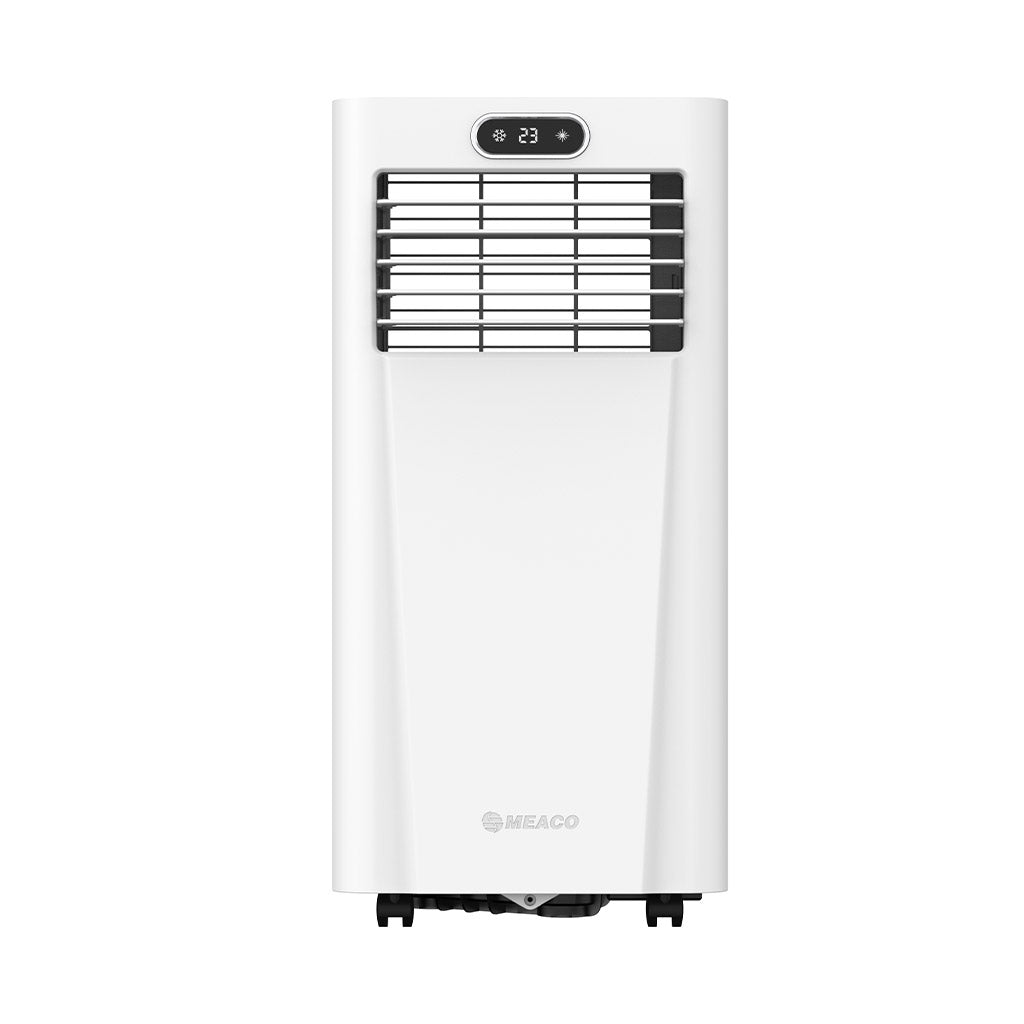
Quick answer: As a rough guide, 9,000 BTU suits rooms up to about 20 m², 12,000 BTU suits around 20 to 30 m² and 14,000 BTU or more suits larger rooms of around 25 to 35 m². Choose an inverter model if quiet running and efficiency matter.
UK summers are increasingly warm, and many homes are designed to hold heat rather than release it. A portable air conditioner needs no permanent installation and can be moved between rooms.
How to size a portable air conditioner
BTU (British Thermal Units) measures cooling capacity. Beyond floor area, consider:
- South-facing windows and conservatories, which need extra capacity.
- Loft rooms with sloping ceilings that trap heat.
- Rooms with computers, TVs or several people.
Always check the manufacturer’s recommended room size, which takes their own testing into account.
Noise levels
Noise is the most common complaint about portable units. Look for the decibel rating, a sleep or quiet mode, and inverter compressors, which adjust their speed rather than switching on and off, making them quieter and more efficient.
Venting the hot air
Portable air conditioners must vent warm air outside through a hose. Most include a window kit for sash or casement windows. Sealing the gap properly makes a big difference to performance.
Other useful features
- Dehumidifier and fan modes for use all year.
- App and voice control for cooling the room before you get home.
- Timers and auto-restart.
- Washable filters.
Tips to keep costs down
- Close curtains and blinds on sunny windows during the day.
- Keep doors closed while cooling.
- Set a comfortable temperature rather than the lowest possible.
- Clean filters regularly.
Frequently asked questions
Does a portable air conditioner need to be by a window?
Yes, it needs to vent hot air outdoors, usually through a window, door or wall vent within reach of the exhaust hose.
Do portable air conditioners need draining?
Many models evaporate most condensate automatically. In humid conditions or dehumidifier mode you may need to drain occasionally or use continuous drainage.
Is an inverter air conditioner worth it?
Inverter models are typically quieter and more efficient, which is valuable in bedrooms and home offices.
Compare portable air conditioners in our Air Conditioning range with free UK delivery.