Fuel generators deliver lots of power for longer, while battery power stations are silent, clean and safe indoors. Here is how to choose the right backup power for your needs.
Quick answer: Choose a battery power station if you want silent, fume-free backup for essentials such as a fridge, router, lights and phones, or for camping. Choose a fuel generator if you need high power for long periods, for example running tools on site or several large appliances during an extended outage.
How they work
A portable generator burns petrol, diesel or LPG to drive an alternator. Inverter generators add electronics that produce clean, stable power suitable for laptops and televisions.
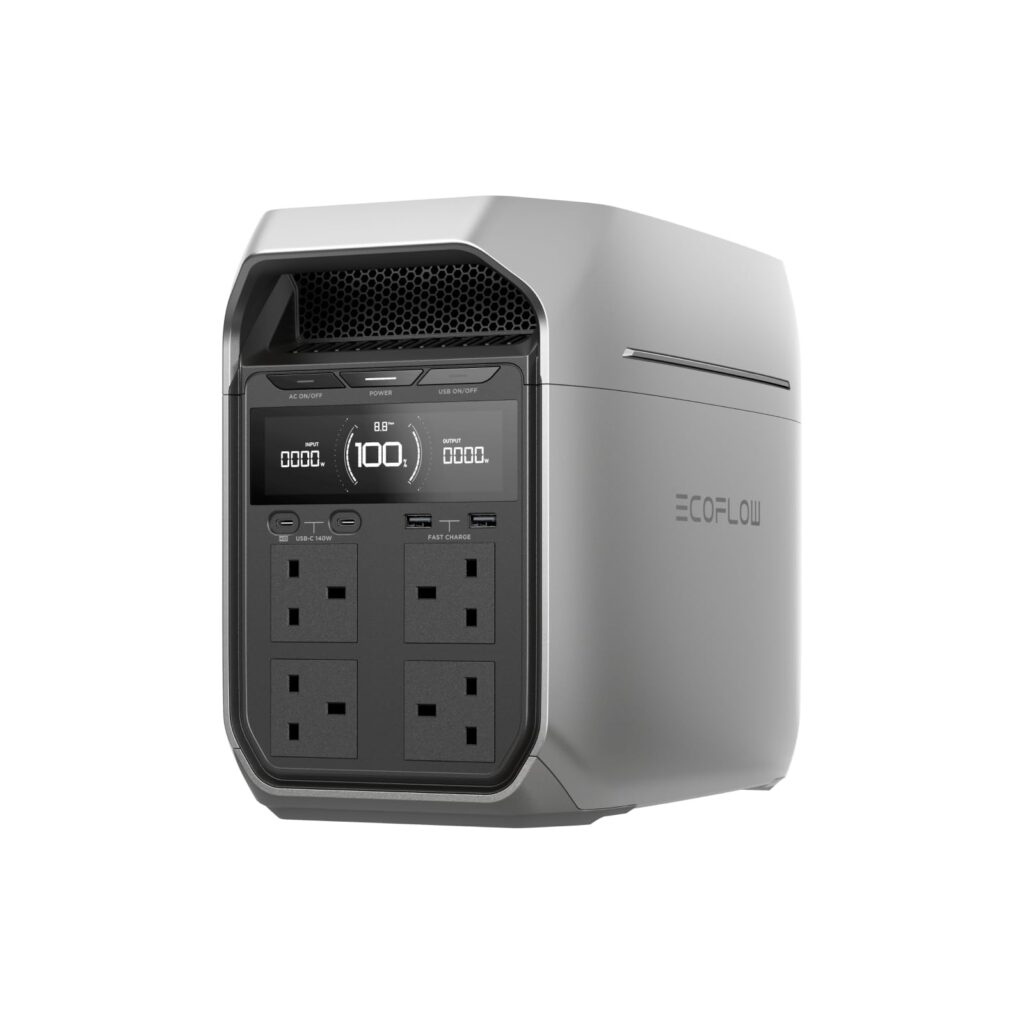
A portable power station is a large rechargeable battery, usually LiFePO4, with built-in UK sockets, USB ports and an inverter. It charges from the mains, a car socket or solar panels.
Side-by-side comparison
- Noise: power stations are virtually silent; generators are noticeably louder, although inverter models are quieter.
- Indoor use: power stations can be used indoors; fuel generators must only ever be used outdoors because of carbon monoxide.
- Runtime: generators run as long as you have fuel; power stations run until the battery is empty, then need recharging.
- Running costs: power stations cost very little to recharge, especially with solar; generators need fuel and servicing.
- Maintenance: power stations need almost none; generators need oil changes and fuel management.
How much power do you need?
Look at two figures: output in watts, which determines what you can run at the same time, and capacity in watt-hours (Wh), which determines how long you can run it.
- Phones, laptops and a router: 300 to 500 Wh is plenty for a day.
- A fridge-freezer plus lights and devices: around 1,000 to 2,000 Wh.
- Whole-home essentials or long outages: 3,000 Wh or more, ideally expandable with extra batteries and solar.
To estimate runtime, divide the battery capacity by the power your devices draw and allow roughly 15 per cent for conversion losses.
Solar charging
Many power stations accept portable or rooftop solar panels. Even on cloudy UK days, panels can top up the battery, which is valuable during longer outages and off-grid trips.
Safety tips
- Never run a fuel generator indoors, in a garage or near open windows.
- Do not back-feed your home wiring; use an approved transfer switch installed by an electrician.
- Store fuel safely in approved containers.
Frequently asked questions
Can a power station run a fridge?
Yes, most mid-size power stations can run a domestic fridge or fridge-freezer for many hours. Check the fridge’s running and start-up power against the station’s output.
What is LiFePO4?
Lithium iron phosphate is a battery chemistry known for safety and a long cycle life, often thousands of charges before capacity drops noticeably.
Can I charge a power station while using it?
Most models support pass-through charging, so they can work like an uninterruptible power supply. Check the specifications of your chosen model.
Compare portable power stations and generators in our Power & Tools collection, with free UK delivery and 30-day returns.