Condensation and black mould are common concerns in UK homes during autumn and winter. Learn how to reduce moisture with better ventilation, sensible heating, laundry habits and the right dehumidifier, and when to seek professional help.
Quick answer: To stop condensation and reduce the risk of mould in a UK home, remove excess moisture at its source, ventilate rooms regularly and maintain a reasonably consistent indoor temperature. A dehumidifier can help control humidity, but persistent damp, leaks and structural problems need to be investigated rather than treated with a machine alone.
Cold windows, damp corners, musty smells and black spots on walls can become more noticeable during autumn and winter. Everyday activities such as cooking, showering and drying clothes release moisture into the air. When warm, moist air meets a cold surface, water droplets can form, creating conditions in which mould may grow.
The most effective approach combines practical daily habits with suitable heating, ventilation and moisture control. Here is how to tackle the problem room by room and recognise when condensation may not be the whole explanation.
Why condensation and mould develop in UK homes
Condensation occurs when moist air cools against a surface, such as a window, external wall or cold corner. The air can no longer hold the same amount of water vapour, so some of that moisture becomes liquid water.
Mould can develop where surfaces remain damp, particularly in areas with poor airflow. Bathrooms, bedrooms, kitchens, window frames and the spaces behind furniture are common places to check.
Condensation is not the only cause of damp. Water can also enter through leaking pipes, damaged roofs, faulty gutters or defects in walls and other building elements. Moisture rising from the ground may also require investigation.
Before choosing a solution, look for patterns. Water droplets that appear on windows on cold mornings may point towards condensation. A recurring wet patch, peeling paint or dampness that persists regardless of daily activities may need a more detailed inspection.
How to stop condensation and mould UK: everyday habits
Small changes to your routine can reduce the amount of moisture that builds up indoors. Focus first on the activities that produce the most water vapour and make sure that moisture has a way to escape.
1. Ventilate rooms properly
Open windows when practical to exchange humid indoor air for fresher air. Use extractor fans in kitchens and bathrooms, particularly during cooking and showering. If your home has trickle vents, keep them open as intended and avoid blocking ventilation grilles.
During cold weather, short periods of effective ventilation may be more practical than leaving windows open for long periods. Follow the guidance for your ventilation system and take care not to leave rooms unnecessarily cold.
2. Control moisture when cooking
Boiling water, simmering food and washing dishes can all add moisture to the air. Use a cooker hood that vents outdoors where available, put lids on pans and keep the kitchen door closed where appropriate to limit moisture spreading through the home.
After cooking, allow ventilation to continue long enough to clear the humid air. Wipe away water that collects around windows and other surfaces.
3. Reduce moisture after showers and baths
Run the bathroom extractor fan during a shower and afterwards for the period recommended for your system. If you do not have a fan, open a window when conditions allow. Keep the bathroom door closed while bathing so moisture does not spread into colder rooms.
Wipe water from shower screens, tiles and other wet surfaces. These steps remove moisture directly rather than allowing it to evaporate into the rest of the home.
4. Dry clothes carefully indoors
Wet laundry releases water vapour as it dries. If possible, dry clothes outdoors when conditions allow or use a properly ventilated drying area. When drying indoors, use a dedicated room with suitable ventilation and avoid placing wet clothes directly on radiators unless the heating appliance’s instructions explicitly allow it.
A dehumidifier can help collect moisture from the air while clothes dry. Keep garments spaced apart on a rack, position the machine according to its instructions and make sure its air inlets and outlets remain clear.
5. Keep heating reasonably consistent
Cold walls and windows are more likely to attract condensation when humid air reaches them. Keeping rooms at a reasonably consistent, comfortable temperature can help reduce cold surfaces, although the result depends on the building, insulation and outdoor conditions.
If possible, avoid letting one room become persistently cold while the rest of the home is warm and humid. Heating alone will not remove moisture, so combine it with ventilation and other moisture-control measures.
What indoor humidity should you aim for?
Relative humidity describes how much moisture the air contains compared with the maximum it can hold at its current temperature. For many homes, a relative humidity range of around 40% to 60% is a useful general target. The appropriate level can vary with the building, season and individual circumstances.
A digital hygrometer can help you understand what is happening in different rooms. Check readings at different times, especially after showers, cooking or drying laundry. A single reading does not tell the whole story because surface temperatures and ventilation also affect condensation.
If humidity regularly remains high, look for ways to reduce moisture production and improve ventilation. A dehumidifier may be useful when these steps are not enough, particularly during damp weather or periods of indoor laundry drying.
When does a dehumidifier help?
A dehumidifier removes moisture from indoor air and collects it in a tank or, on compatible models, through a drainage hose. It can help manage everyday humidity and reduce the amount of moisture available to condense on cold surfaces.
However, it does not repair leaking pipes, defective roofs or other sources of water ingress. Nor should it replace suitable ventilation, especially in kitchens and bathrooms where moisture and pollutants need to be removed.
Choose the type according to the room temperature and the amount of moisture you need to manage. Compressor models are often practical for heated living spaces, while desiccant models are worth considering for colder rooms. Always check the product listing for operating conditions and features.
Options for smaller rooms and colder spaces
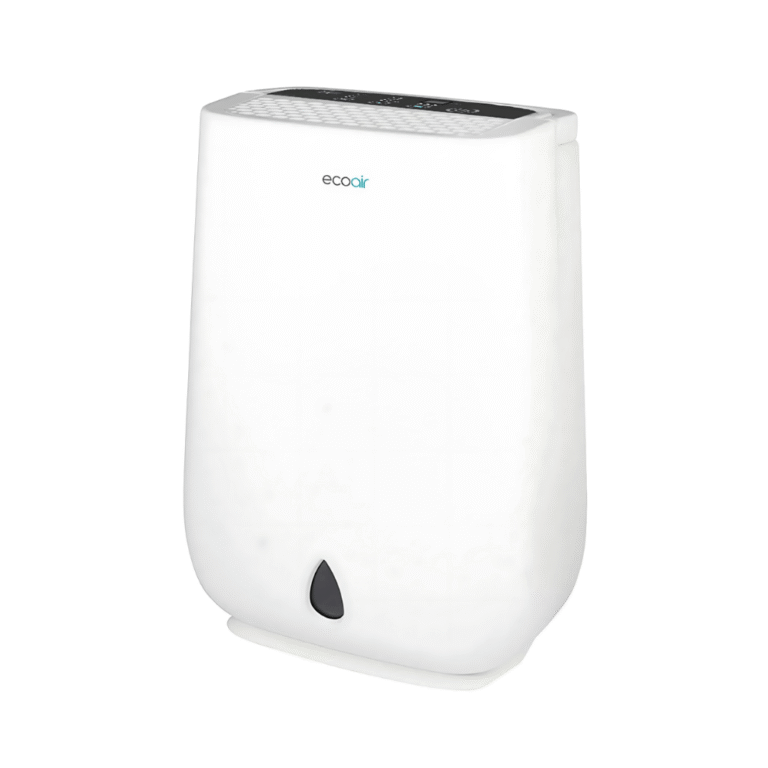
The EcoAir DDWH10 6L/Day Desiccant Dehumidifier & Heater combines desiccant dehumidification with a heater and may be worth comparing for bathrooms and smaller rooms. Check the product listing for its installation, positioning and operating instructions before use.
For another desiccant option, the EcoAir DD3 Classic MK3 11L/Day Desiccant Dehumidifier has a stated daily extraction capacity of 11 litres. Its suitability will depend on the room and operating conditions.
Options for regularly heated rooms
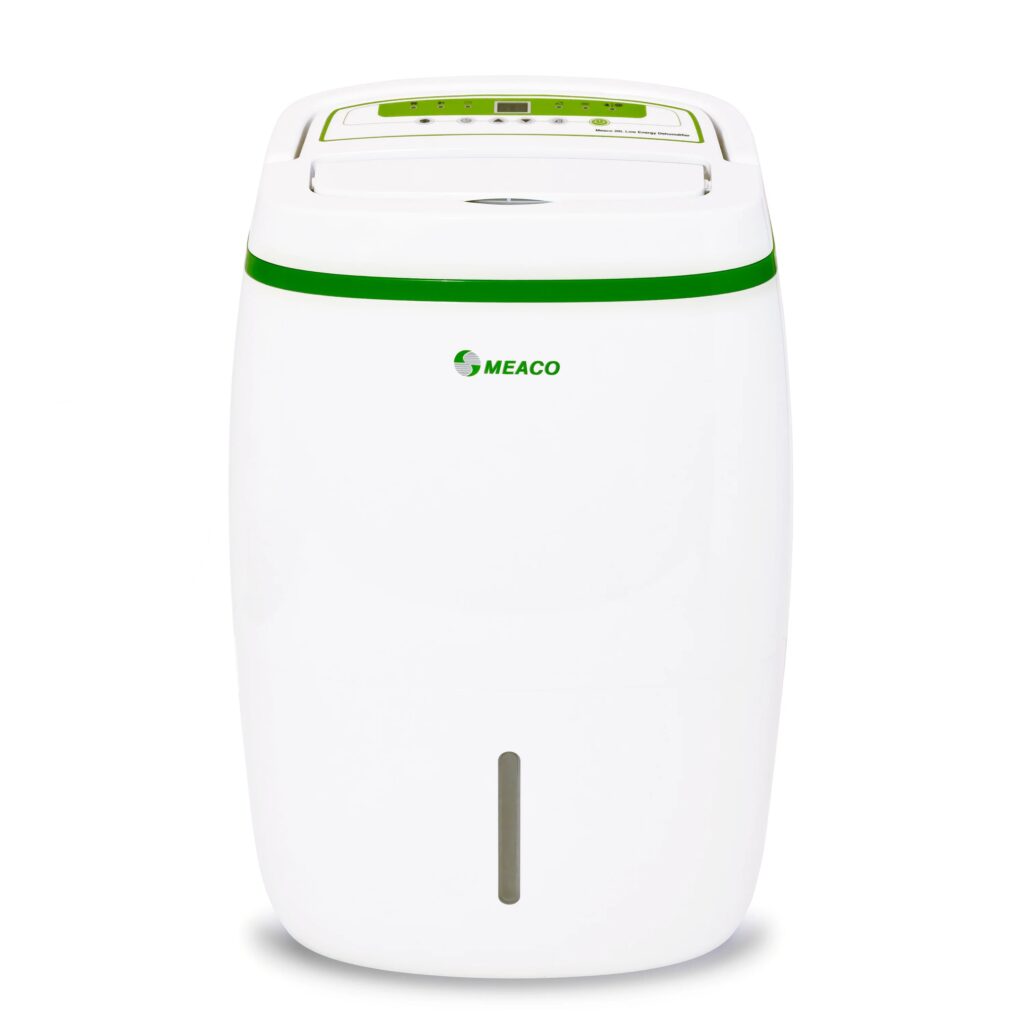
If you need to manage moisture in a heated living space, consider the Meaco Platinum 20L/Day Compressor Dehumidifier. Its stated daily capacity is 20 litres, although actual water collection will depend on temperature, humidity and other conditions.
Compare tank capacity, noise information, drainage options and operating guidance before making a decision. A larger daily extraction figure does not automatically mean a machine is the right fit for a small room or a home with a specific damp problem.
Where should you put a dehumidifier?
Positioning matters because a dehumidifier needs to draw in damp air and circulate air around the room. Follow the manufacturer’s instructions on clearances, ventilation and safe operation.
- Bedrooms: Check humidity in the morning, especially if windows are wet after sleeping. Keep the room ventilated and consider a dehumidifier if moisture remains high.
- Bathrooms: Prioritise an appropriate extractor fan. Use a dehumidifier only where the product is suitable for the environment and follow all electrical safety instructions.
- Kitchens: Use effective cooking extraction first. A dehumidifier may help with remaining moisture, but it does not replace a cooker hood or ventilation.
- Laundry rooms: Place the unit where air can circulate around the drying rack, without obstructing walkways or exposing the appliance to water.
- Cold corners and conservatories: Check for leaks and ventilation problems. A suitable dehumidifier may help with condensation, but persistent water ingress requires a separate solution.
Do not place a machine directly against a wall or cover it with clothes. Empty the tank as directed, or set up continuous drainage if the model supports it and the installation is suitable.
How to clean existing black mould safely
Reducing humidity helps prevent further moisture problems, but existing mould also needs attention. For small areas on suitable hard surfaces, follow the relevant public health guidance and the cleaning product’s instructions. Wear appropriate protective equipment, ventilate the area and never mix cleaning chemicals.
Do not dry-brush mould, as this can spread spores and particles. Porous or badly damaged materials may need specialist treatment or replacement. If mould covers a large area, keeps returning or affects someone with a respiratory condition or other health vulnerability, seek professional advice rather than attempting extensive removal yourself.
Cleaning visible mould without addressing the underlying moisture problem is unlikely to provide a lasting solution. Check whether ventilation, heating, water leaks or cold surfaces are contributing to its return.
When should you call a professional?
Consider a qualified professional if damp patches persist despite reasonable ventilation and moisture control, or if you suspect a building defect. Some warning signs include:
- Wet patches that appear or grow without an obvious condensation pattern.
- Suspected leaking pipes, roof defects or faulty gutters.
- Persistent damp at the base of walls that may indicate rising damp or another moisture source.
- Plaster that repeatedly deteriorates, paint that continually peels or mould that returns after cleaning.
- Widespread damp or mould that you cannot manage safely yourself.
For a suspected plumbing leak, contact an appropriate plumber. For possible structural defects or rising damp, seek an independent assessment from a suitably qualified building professional. The correct solution depends on identifying the source rather than relying on a generic treatment.
What about flooding, leaks and building work?
Large drying jobs need a different approach from routine condensation control. After flooding, a substantial leak or building work, moisture may remain in floors, walls and other building materials even after visible water has been removed.
Commercial dehumidifiers may be appropriate for larger drying tasks, but equipment should be selected according to the affected area, the materials involved and the scale of the moisture problem. Electrical safety, ventilation and the risk of hidden water damage also need consideration.
The Ebac BD70 12L/Day Commercial Dehumidifier, 110V/230V is one option to compare for drying after leaks or building work. For larger drying jobs, consider the Ebac BD150 30L/Day Commercial Dehumidifier, 110V/230V. Check each listing for electrical requirements, operating specifications and suitability for the job. For significant flooding or suspected structural damage, obtain professional advice before choosing equipment.
A practical winter checklist
Use this simple routine to keep moisture under control throughout the colder months:
- Ventilate kitchens and bathrooms during moisture-producing activities.
- Use extractor fans and keep ventilation openings clear.
- Dry laundry in a suitable, ventilated space.
- Keep indoor temperatures reasonably consistent where practical.
- Check window frames, external walls and corners for recurring moisture.
- Monitor relative humidity with a hygrometer.
- Use a suitable dehumidifier when everyday measures are insufficient.
- Investigate leaks, persistent damp and recurring mould rather than masking the symptoms.
Condensation can often be reduced through a combination of better ventilation, moisture control and sensible heating. Persistent damp needs a closer look at the building itself. Browse the Elvax dehumidifier range to compare suitable options, with free UK delivery on every order within 5 to 8 business days, 30-day returns and secure card payment at checkout.
Frequently asked questions
Does a dehumidifier stop black mould?
A dehumidifier can help reduce excess moisture and make conditions less favourable for mould growth. It will not remove the underlying cause of a leak or repair a building defect, and existing mould still needs appropriate attention.
Should I open windows in winter to prevent condensation?
Ventilation can help remove humid indoor air, even in winter. Short periods of effective ventilation, working extractor fans and keeping intended ventilation openings clear can help. Balance ventilation with sensible heating and follow the guidance for your home.
What humidity level helps reduce condensation?
A relative humidity level of around 40% to 60% is a useful general target for many homes. The risk of condensation also depends on the temperature of walls and windows, insulation and ventilation, so humidity readings should be considered alongside these factors.
Can I use a dehumidifier instead of fixing a leak?
No. A dehumidifier may collect some of the resulting moisture, but it cannot repair a leaking pipe, damaged roof, faulty gutter or structural defect. Find and fix the source of water ingress, and seek professional advice if the cause is unclear.